Mounting a Rifle Light: Position, Mounts and Cable Routing That Survive Recoil
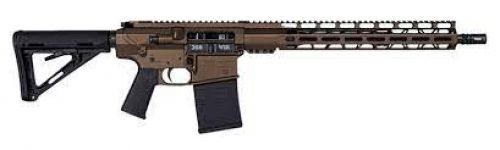
A rifle light that is mounted badly is worse than no light: the barrel throws a shadow across the beam, the cable snags on the sling, the button is out of reach and the light works loose on the second range trip. Getting it right is not expensive. It is a matter of choosing the position first, then the mount to reach it, then the activation, and finally torquing everything and testing it. This guide is written around the AR-15 because that is what most people mount a light on, with notes for shotguns and bolt rifles.
Position comes first
The light should sit where your support-hand thumb rests naturally when you are holding the rifle to shoot. For most right-handed shooters that is the left side of the handguard at roughly the one or two o'clock position looking from behind, far enough forward that the head clears the muzzle device. A light mounted at twelve o'clock is fine on a rifle with a fixed front sight, provided the sight does not throw a shadow. A light under the barrel at six o'clock works on shotguns and on rifles with a bipod-free forend, but it collects a shadow from any bipod and it is harder to reach.
The test is simple: shoulder the rifle in the dark, put your thumb where it wants to go, and see if it lands on the button. If it does not, move the light, not your grip.
Shadows and muzzle devices
A light mounted behind a large muzzle brake or a suppressor throws the device's shadow into the beam. Move the light forward so the head is level with or ahead of the muzzle device, or offset it enough that the beam clears. On a sixteen-inch rifle with a fifteen-inch handguard this is easy; on a short rifle it may mean a scout mount that pushes the head an inch ahead of the rail. A suppressor almost always needs an offset or forward scout mount.
M-LOK and Picatinny
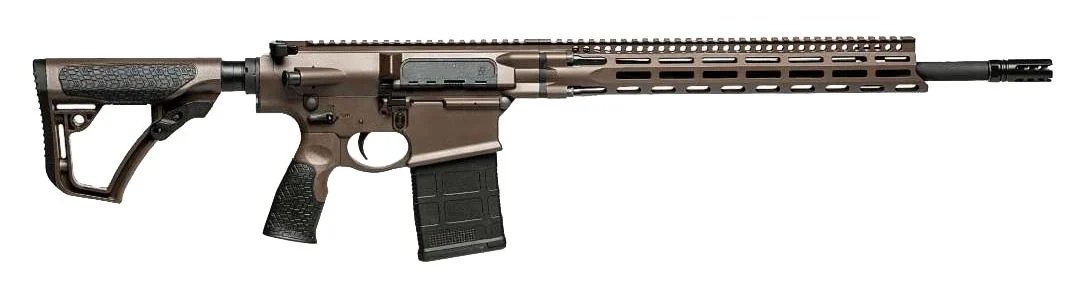
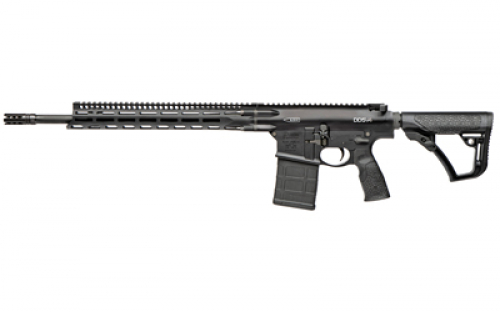
Most modern handguards are M-LOK, a system of slots that a mount clamps into with T-nuts. A direct M-LOK light mount is the lowest and lightest option and puts the light right on the handguard. Picatinny rails still appear on older handguards and on the top rail of every AR; a Picatinny light mount is heavier and taller but easier to move. Offset mounts angle the light forty-five degrees off the rail so it sits between the rail and the handguard's side, keeping the top rail free and the light close to the thumb. Scout mounts bolt directly to a scout-style light body and put the head an inch or two forward of the mount, which is how the shadow problem is solved on short rifles.
Activation
A rifle light needs a button you can reach with the support hand without shifting your grip and a backup. The tail-cap button is the backup. The primary is either a tail cap positioned right under your thumb, or a remote pressure pad on a short cable, mounted to the handguard where your thumb or fingers land. Pads come with M-LOK or Picatinny plates or with adhesive; use the plate, because adhesive lets go in the heat of a summer truck. Keep the cable as short as the light allows, route it along a slot or the top of the rail, and clamp it with a cable clip or a section of heat-shrink so that the sling cannot catch it and the muzzle blast cannot cut it. A cable that runs across the front of the handguard is a cable that will be torn off.
Torque and thread locker
Mount screws should be torqued to the maker's figure with a driver, not tightened until they feel right. M-LOK T-nuts need to be seated square in the slot before tightening. A drop of medium-strength thread locker on the mount screws is sensible; none on the light's own body threads, which need to come apart to change the battery. Mark each screw head with a paint pen so movement shows.
Shotguns
A pump shotgun has no handguard to mount to, so the light goes on a replacement forend with a rail or an integrated light, or on a barrel or magazine-tube clamp mount. The clamp mounts work but put the light where the support hand slides during the pump stroke; test that the hand clears it. A forend-mounted light with a built-in pressure area is the cleanest answer on a defensive pump.
Bolt rifles and hunting
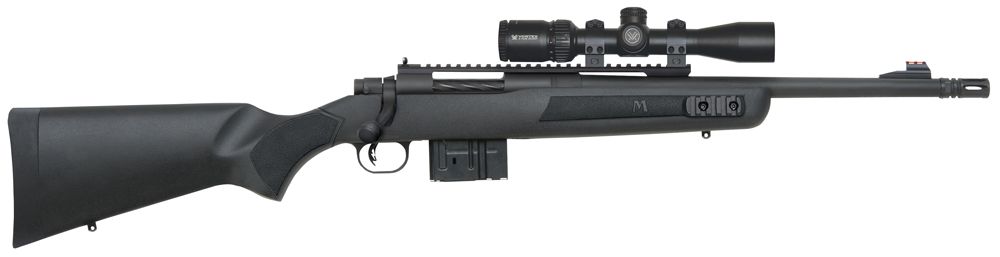
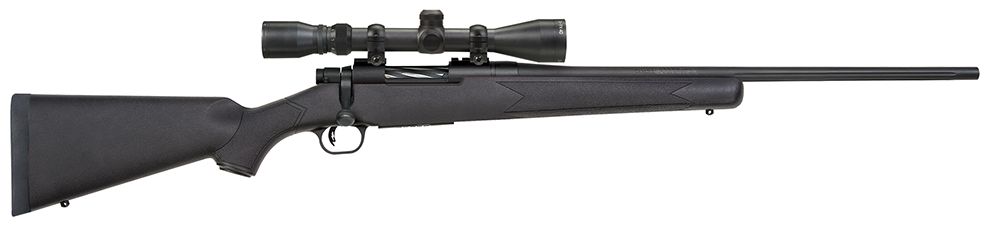
A light on a bolt rifle is for hogs, coyotes and tracking, not for deer, and the mount is usually a scope-tube ring or a Picatinny section on the forend. Coloured filters or red and green emitters reduce the reaction of some animals and preserve night vision; check what your state allows for night hunting, which the law guide covers.
Testing
Mount, torque, then fire a hundred rounds and check every screw. Run the pressure pad with a gloved hand. Shine the light down a dark range and look for the barrel's shadow. Drop the rifle on its side onto a mat from waist height with the light off and see if anything shifts; a rifle light that survives that will survive a truck.
Browse mounts, rifle lights and AR-15 rifles in the catalogue, and see the weapon light guide for the candela figures a rifle needs.
General information, not legal advice. Current as of September 2026. Laws change; check the official source before you act.